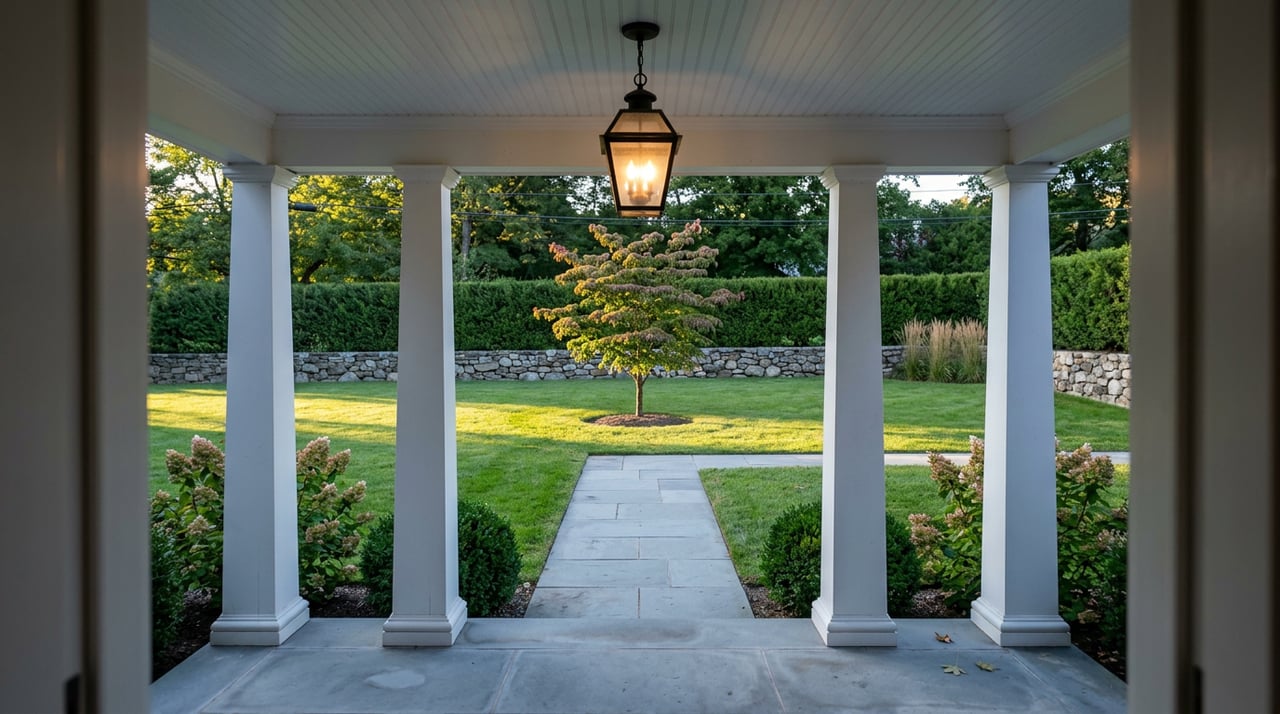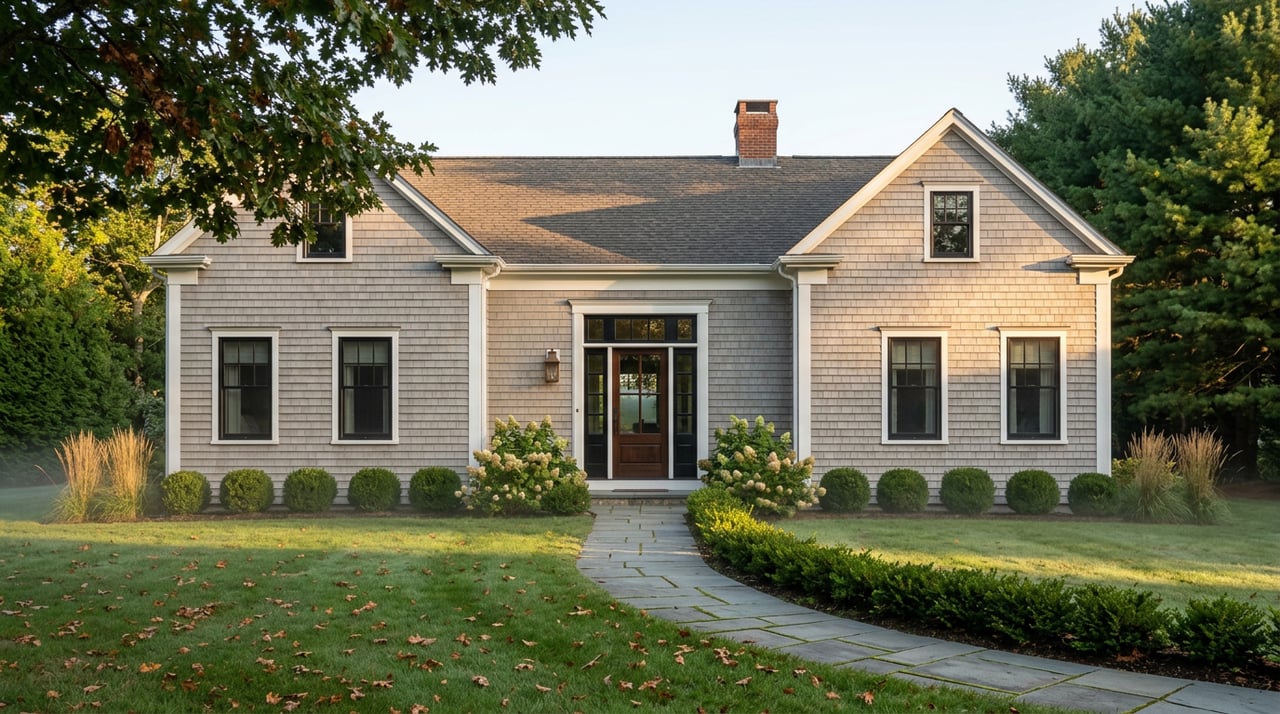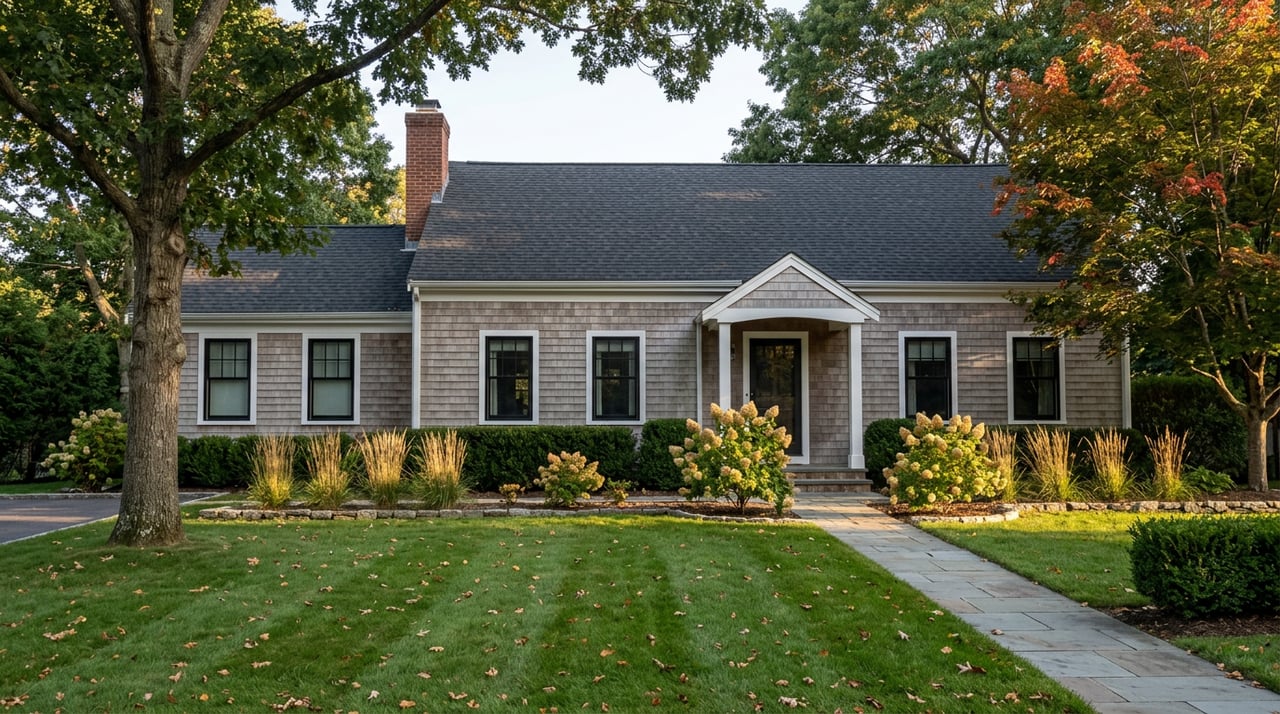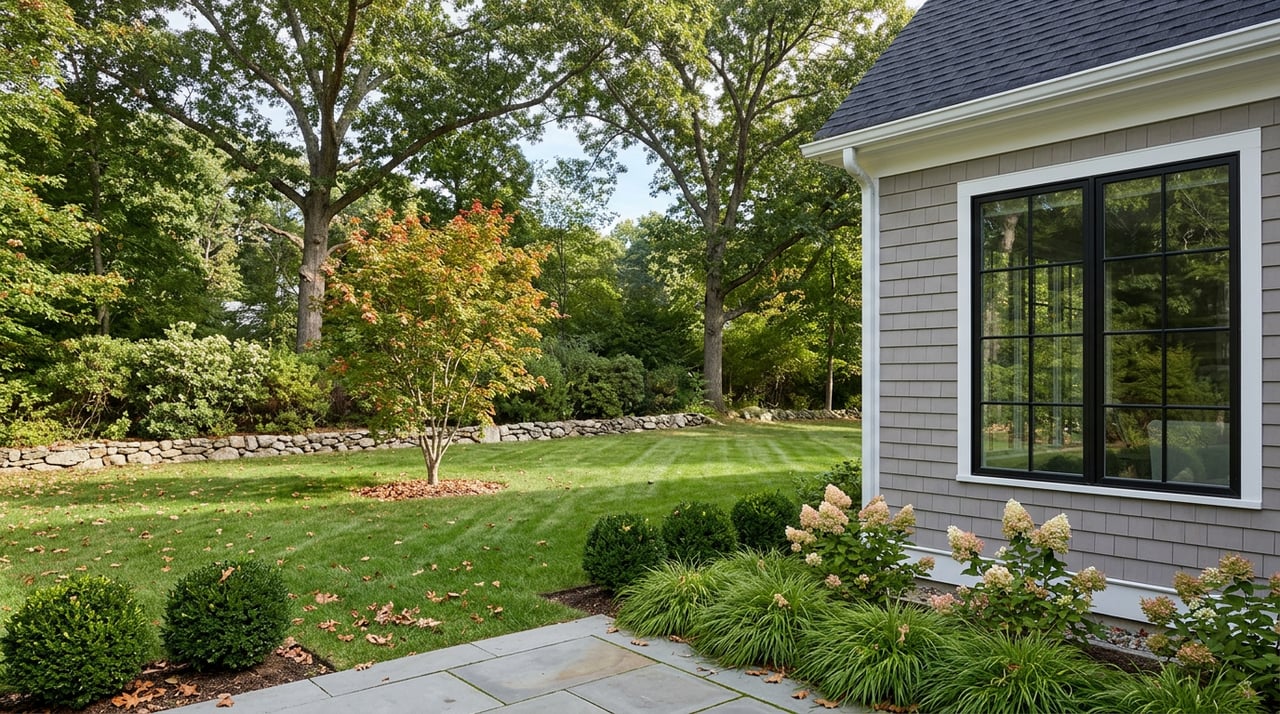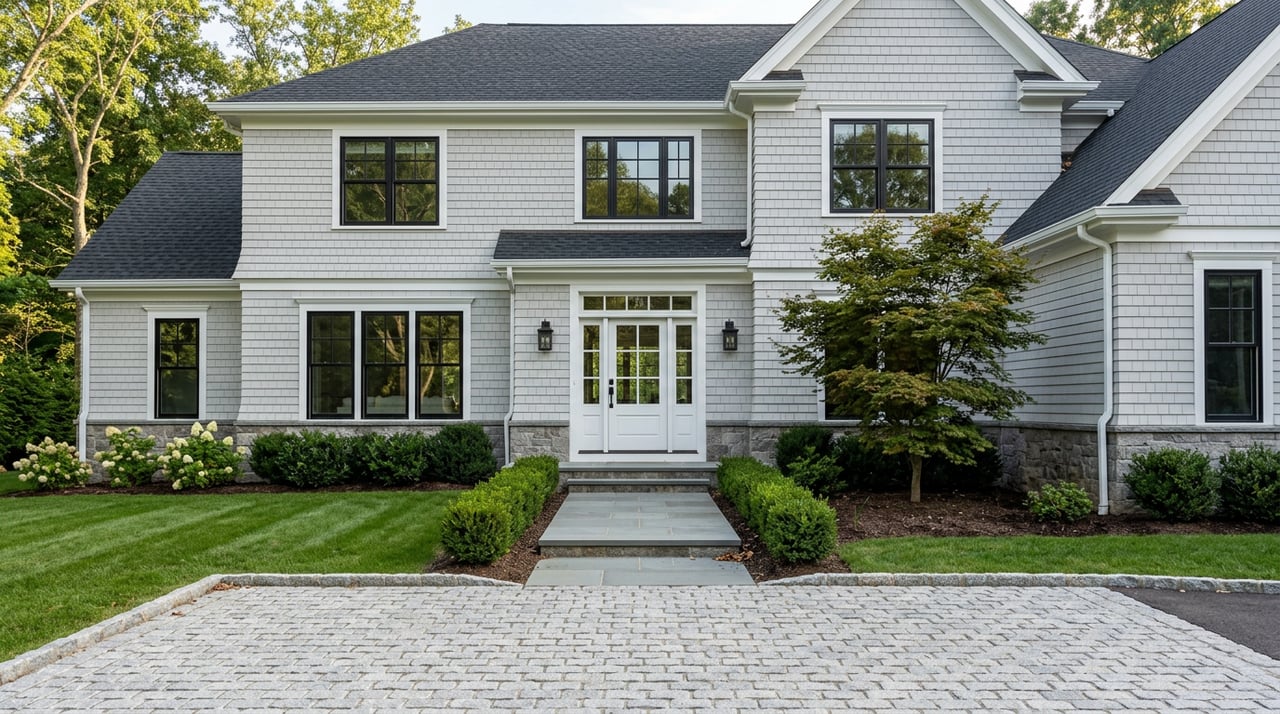
Thinking about a brand-new home on the North Shore? Building or buying new in Jericho or Brookville can deliver the layout, finishes, and efficiency you want, but the path is different in each area. You need clear expectations on pricing, permits, timelines, and what is truly included before you sign. This guide gives you a practical roadmap tailored to Jericho and Brookville so you can move forward with confidence. Let’s dive in.
Market reality: Jericho vs. Brookville
Jericho new construction often starts in the low seven figures, with many move-in-ready or semi-custom homes in the roughly 900k to 1.5M range for smaller 3–4 bedroom builds. Larger lots, premium finishes, or custom plans can push pricing toward 2M and above. Recent local reports also show existing-home values in Jericho hovering around the low 1Ms, which helps frame buyer expectations for new builds.
Brookville is a different tier. It is a small, luxury market where medians can swing widely due to a handful of estate-level sales. A practical range is roughly 2M to 5M and above depending on lot size, scope, and amenities. Because sample sizes are small, appraisals and comps may vary more than in larger nearby markets, so plan for a careful valuation review.
Permits and approvals: who you call
Jericho is under the Town of Oyster Bay for planning, permits, inspections, and certificates of occupancy. Start by confirming who will be the named permit holder and how the builder coordinates inspections with the Town’s Building Division. The Town has reported expanded online permitting for certain applications to help speed processing, but full plan reviews and board matters still follow set calendars and public-notice windows. You can review Town resources on permitting and public service updates through the Town of Oyster Bay’s Building Division information and this online permitting modernization update.
Brookville has incorporated village governments. If your property is within the Village of Brookville, Old Brookville, or Upper Brookville, expect village-level zoning, Architectural Review Board (ARB), and often site plan review. Many new homes require application referrals, submission windows, and public hearings before a building permit is issued. You can see the procedural framework in the Village of Brookville code sections covering ARB and site plan review. Always confirm whether your lot is inside a village or “Town outside villages,” since that controls the process and timeline.
Site-specific items can add time and cost. On Long Island, common drivers include tree and landscape rules, stormwater plans, grading, and septic or sewer approvals. For some parcels, you may need county health or sewer-district signoff. Ask your builder early for a “sewer availability letter” or the equivalent health clearance, and plan accordingly. The EPA’s technical guidance explains when on-site systems and local approvals come into play; review the EPA background on onsite wastewater considerations to understand the basics.
Builder selection: do your homework
Start by verifying local experience. Ask for 5–10 recent nearby addresses, photos, and the final certificate of occupancy dates. Confirm who pulled past permits and whether inspections passed. Request proof of general liability and workers’ comp, plus a list of key subcontractors and their coverage.
Use a buyer’s agent experienced in new construction to protect your interests. The builder’s sales team works for the builder. A local advisor can help with lot premiums, allowance negotiations, timelines, and change-order terms, and can point you to trusted lenders and inspectors.
Key contract terms to lock down
- Base price vs. allowances vs. upgrades: get itemized lists and minimum prices for common upgrades.
- Change orders: how are they priced and approved? Are unused allowances credited at closing?
- Deposits and draws: tie payments to clear milestones and lender inspections.
- Completion date and remedies: define what happens if closing slips and whether credits apply.
- Permits and hookups: who pays for water, sewer, or septic work and any impact fees?
- Title and closings: confirm whether there is a single close or construction-only with a later refinance.
Warranties you should expect
Most builders follow a 1-2-10 structure: about 1 year for workmanship and materials, 2 years for major systems, and 10 years for structural coverage. Many enroll in third-party or insurer-backed programs so coverage remains even if the builder stops operating. Review what is covered, the claims process, and any exclusions before you sign. For an overview of common warranty structures, see this summary of typical 1-2-10 coverage on new homes.
Tip: Put a reminder on your calendar for an “11-month” walkthrough and punch list so you can submit any claims before the 1-year window closes.
Features and budgets: what your money buys
Jericho new and semi-custom
- Price bands: many move-in-ready and semi-custom builds appear in the 900k–1.5M range for smaller 3–4 bedroom homes, with larger or fully custom builds heading toward 2M and above.
- Typical features in the mid-to-upper seven figures: open-plan kitchens with islands and quartz or granite, semi-custom cabinetry, central HVAC, 2-car garage, contemporary baths, smart-home wiring, and basic landscaping and driveway work.
- Pools are less common below roughly 1.5M but may be available as an upgrade. Finished or partially finished basements vary by builder and lot.
Brookville luxury and estates
- 1.5M–3M: Smaller custom or semi-custom homes on modest estate lots. Expect 4–6 bedrooms, custom cabinetry with pro-grade appliances, mudrooms, multiple suites, larger garages, zoned HVAC, and expanded outdoor living.
- 3M–6M: Larger acreage and estate-level amenities. Think guest houses, pool and tennis, high-end materials, potential elevator provision, extensive grading and retaining walls, and advanced security.
- 6M and above: Mansion-scale builds with historic-quality finishes and full property amenities.
Customization costs vary widely. Kitchen and bath packages are the most upgrade-heavy, and premium packages can add tens of thousands or more on luxury projects depending on cabinetry, appliances, and layout changes. Lot premiums, grading, drainage, and septic work are often separate and can shift the budget.
Timeline and financing: plan the path
Build timeline, phase by phase
Most semi-custom builds run about 6 to 16 months from ground break to move-in, with fully custom estates running longer. National data and builder timelines put production homes near the 8–12 month range, while custom work can be 12–30 months when you include design and approvals. See this overview of typical new-home construction durations and a phase-by-phase construction timeline for context.
A simple planning arc looks like this:
- Pre-contract design and financing: 1–3 months.
- Permitting and approvals: 1–3 months, longer if ARB or variances apply.
- Site work and foundation: 1–2 months.
- Framing and rough trades: 2–4 months.
- Finishes: 2–4 months.
- Final inspections, CO, and punch list: about 1 month.
Weather, board schedules, utility connections, and site conditions can shift the schedule. Build in contingency.
Financing basics for new builds
Common options include construction-only loans that you later refinance, construction-to-permanent loans that convert to a standard mortgage at completion, or builder-arranged financing in some developments. Lenders fund work in draws tied to milestones and typically require inspections before releasing each draw. Expect higher down payments and interest-only payments during construction. Review the basics of construction loans to understand structures and requirements.
Construction-to-permanent loans often fall under standard TRID disclosure rules, while split transactions are handled differently. Ask your lender for a clear draw schedule, how interest accrues during construction, and whether you will have one or two closings. The CFPB explains these disclosure rules in its TRID guidance for new construction.
Draws, inspections, and red flags
Be cautious with vague draw milestones, oversized up-front payments, or any reluctance to provide lien waivers from contractors and subs after each draw. Ask to see a sample draw schedule and the inspection form your lender uses, and align your contract with lender requirements.
Buyer checklist: ask these before you sign
Use this quick list to confirm details before you commit:
- Who will be the named permit holder and who handles each approval? Get Town or Village contact info for your file.
- Can you see the builder’s last five local addresses with certificates of occupancy? Verify via Town or Village records.
- Is the lot inside a village, which adds ARB and site plan steps, or in the Town outside villages?
- Sewer and water: is there an available sewer connection or will a septic system need county health approval? Who pays for lateral or connection work? Request a sewer availability letter early.
- What is included in the base price, what are the allowances, and how are upgrades priced? How are unused allowances handled?
- What is the contractual completion date, what delays are permitted, and what remedies apply if the builder is late?
- Financing and closings: which loan type, expected down payment, inspection process, and whether there will be one or two closings.
- Warranty: request the full written warranty, coverage periods, and claims process. Ask if a third-party warranty backs the structural coverage.
- Escrow and draws: review the proposed draw schedule, lien waiver process, and subcontractor list for major trades.
Watchouts unique to the North Shore
- Brookville’s small market size creates comp volatility. Appraisers may lean on a short list of recent sales, so allow time for valuation reviews and adjustments.
- Policy changes are evolving. New York’s energy and electrification policies are tightening across the 2024–2026 cycle, which can affect permitted heating systems, EV charging, and appliance choices. Confirm whether your permit is filed before or after any updates. See an overview of state policy direction in this summary of New York’s climate and energy goals.
- Site unknowns matter. On the North Shore, trees, wetlands, steep slopes, groundwater, and septic approvals can add time and cost. Order surveys early, plan for engineering, and build a contingency into your budget and schedule.
If you are weighing a move-in-ready spec build against a semi-custom or full custom path, a local advisor can help you compare timelines, allowances, and true total cost. From verifying village boundaries to reading draw schedules, you do not have to do it alone. For white-glove guidance and on-the-ground expertise across Jericho, Brookville, and the North Shore, connect with Batul Morbi.
FAQs
How long does new construction usually take in Jericho or Brookville?
- Most semi-custom builds take about 6–16 months from ground break, while full custom estates can run 12–30 months when you include design and approvals.
What permits are needed to build in Brookville’s villages?
- Many projects require Architectural Review Board and site plan review, application referrals, and a public hearing before a building permit is issued.
How are new-construction loans different from regular mortgages in Nassau County?
- Construction loans fund work in stages, often require higher down payments, and charge interest-only on drawn amounts until you convert to a permanent loan.
What warranties should I expect on a new home in Jericho or Brookville?
- A common structure is 1 year for workmanship, 2 years for systems, and 10 years for major structural items, with a defined process for filing claims.
What upgrades tend to add the most cost in North Shore new construction?
- Kitchens and bathrooms drive the largest increases, followed by custom millwork, premium flooring, lighting packages, and outdoor amenities.
Do I need a buyer’s agent for a new-construction purchase on Long Island?
- Yes; the builder’s rep works for the builder, and a local buyer’s agent helps you negotiate allowances, timelines, inspections, and contract protections.