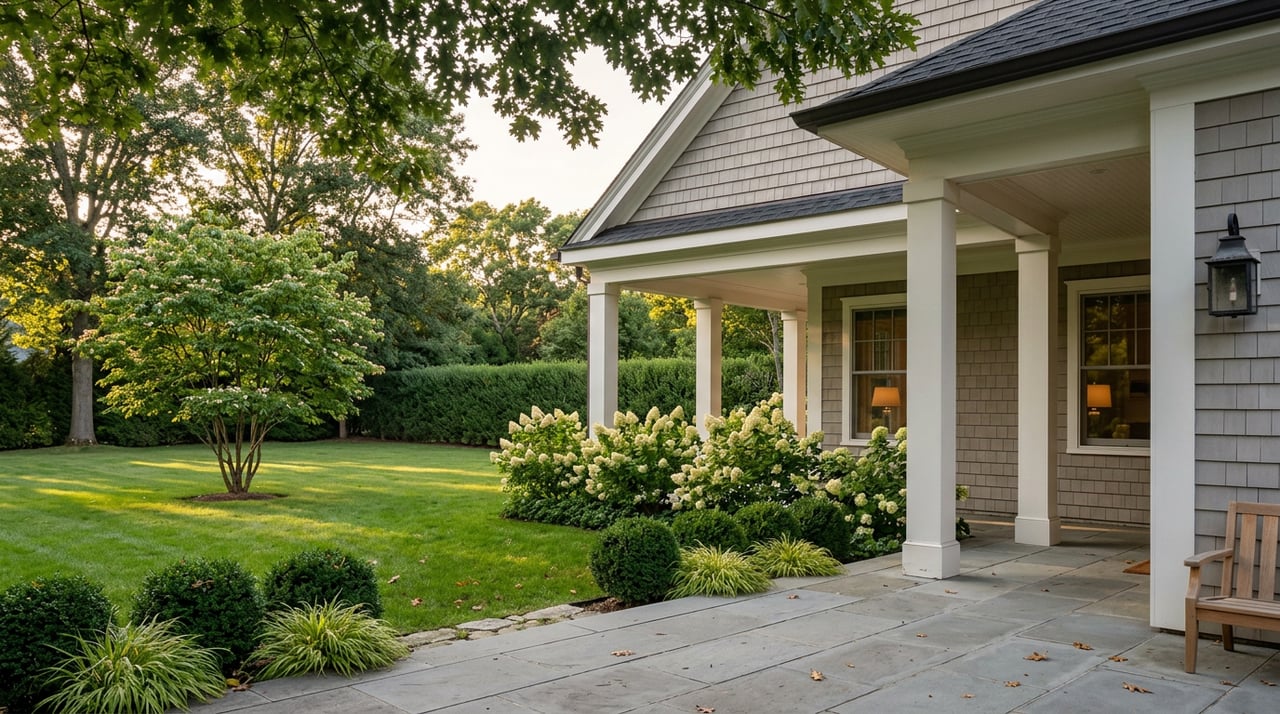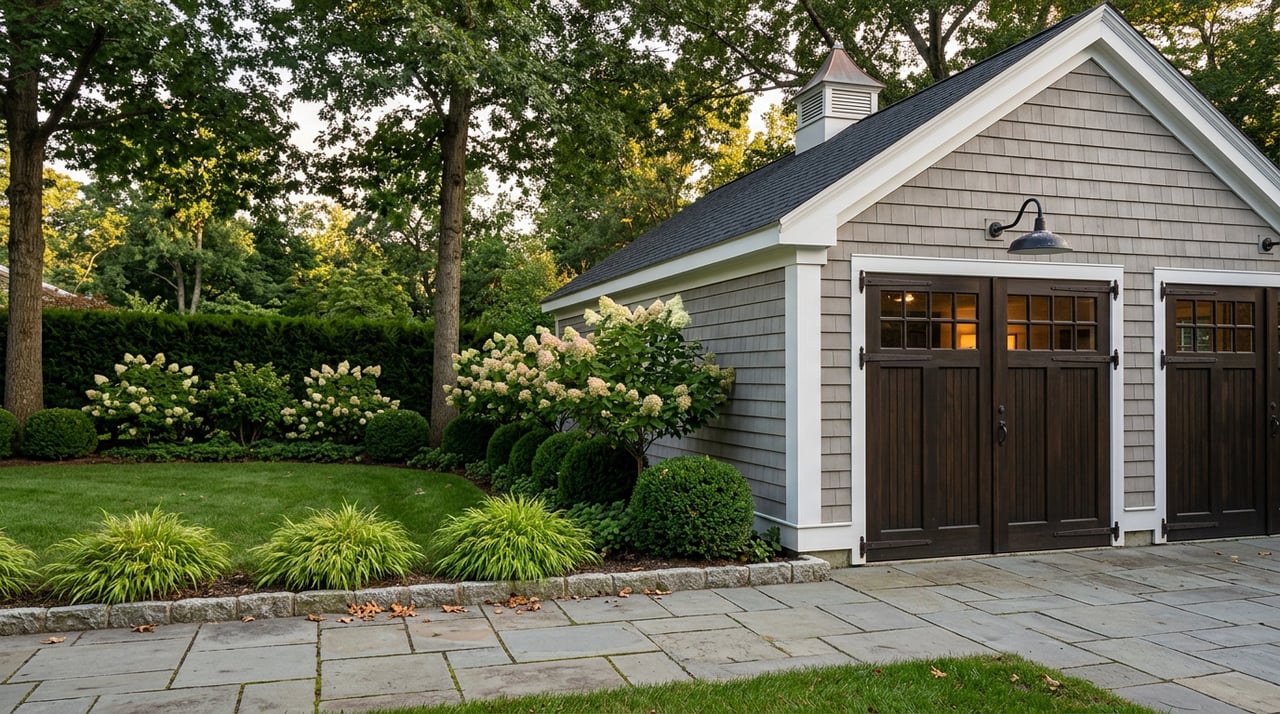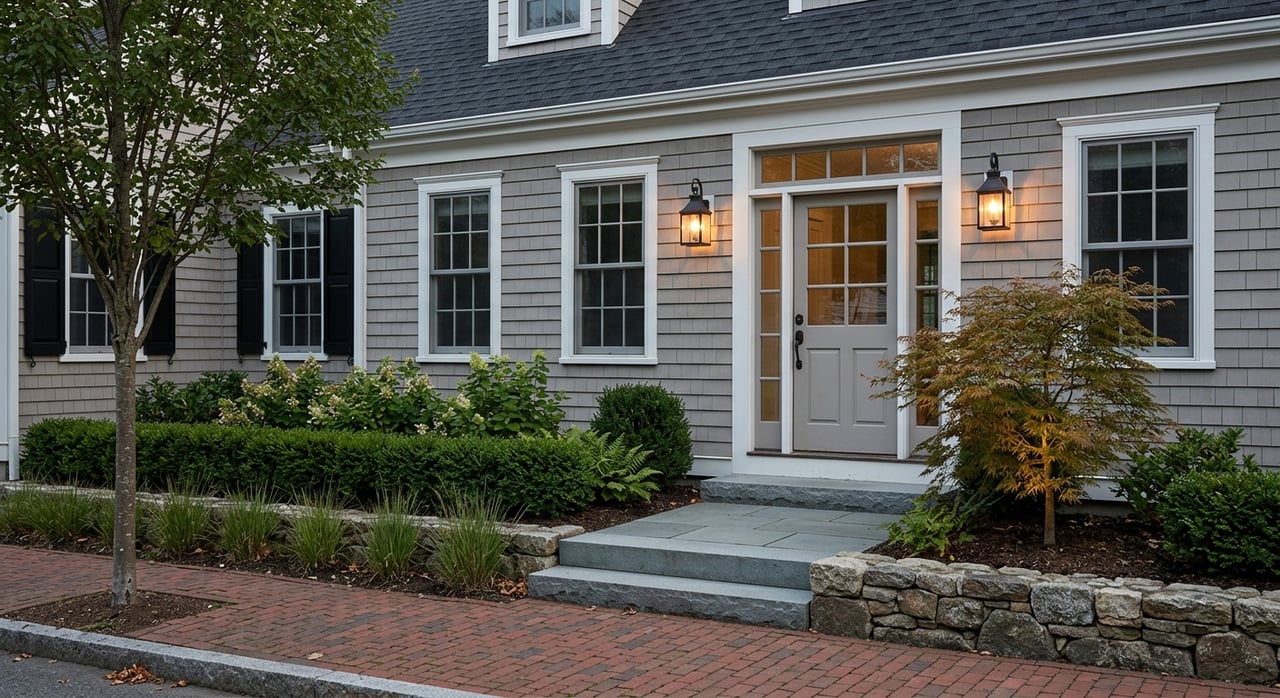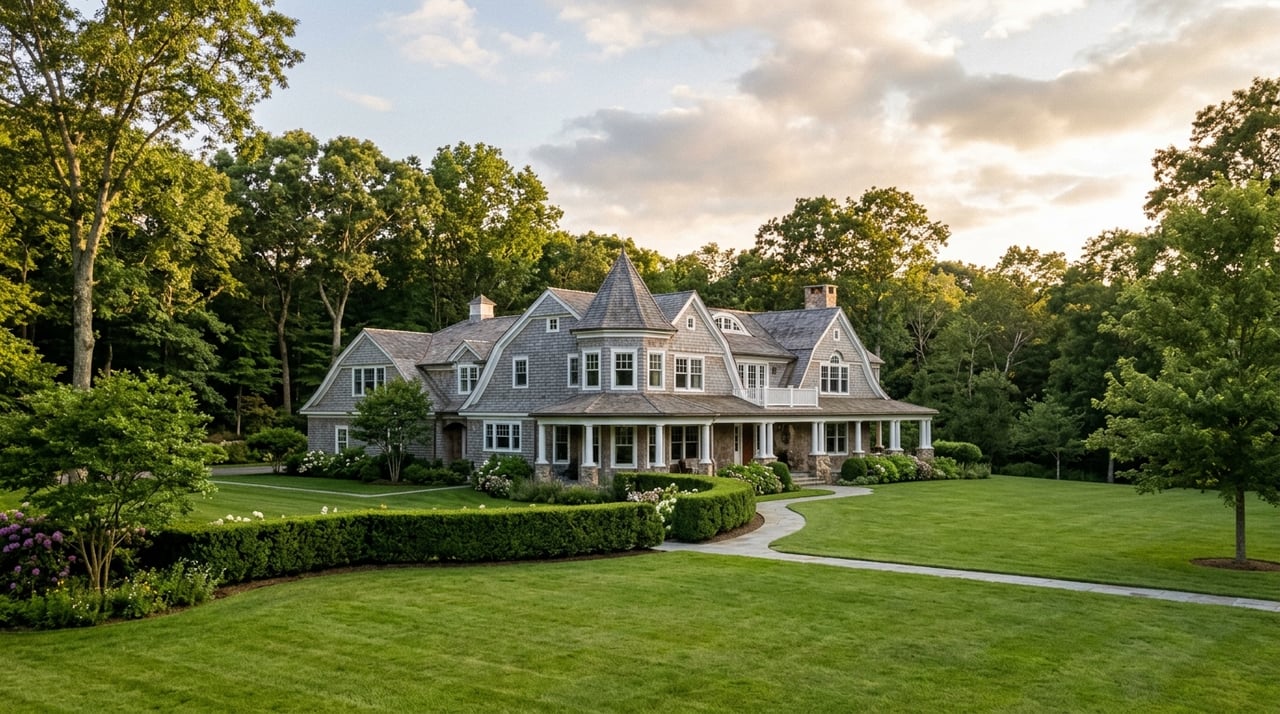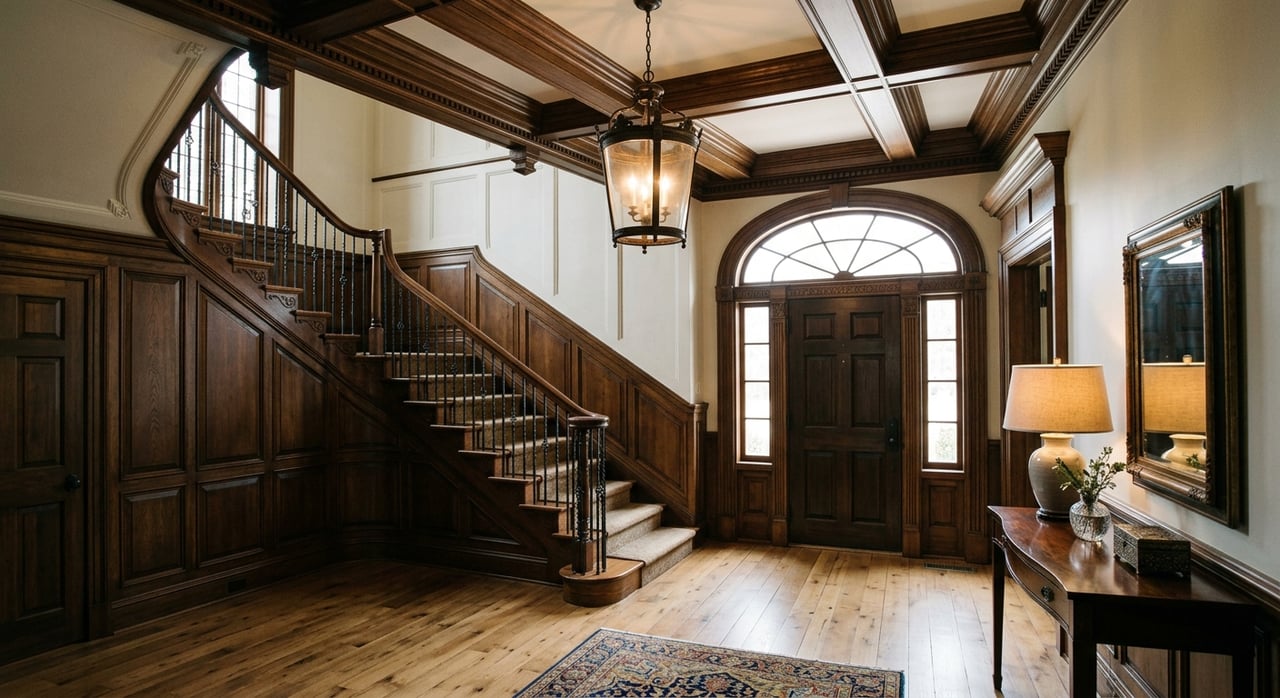
Dreaming about a historic home in Cold Spring Harbor? It is easy to fall for the charm of an older North Shore property, from classic rooflines to original windows and porches that give the streetscape its character. But before you make an offer, you need to know what comes with that charm, what may need approval, and where repair costs can show up fast. If you want to buy with confidence, this guide will help you focus on the details that matter most. Let’s dive in.
Why Cold Spring Harbor Historic Homes Stand Out
Cold Spring Harbor has a distinct identity within the Town of Huntington, shaped by early settlement, water-based trade, whaling, and later manufacturing. That history still shows up in the homes and streets that define the area today.
Within the Cold Spring Harbor Historic District, Huntington identifies properties along Harbor Road, Shore Road, Main Street, and Goose Hill Road, with many early-19th-century wood-frame homes. The Town’s preservation guide names styles such as Federal, Greek Revival, Folk National, Italianate, Queen Anne, and Shingle.
For you as a buyer, that means the home’s appeal is not just about square footage. Exterior proportions, windows, porches, rooflines, and how the house fits into the streetscape all play a role in value and long-term decision-making.
Ask One Question First
Before you get too attached to a specific house, find out whether it is simply old or locally regulated. In Huntington, that distinction matters.
The Town states that National Register or State Register listing is not the same thing as local historic designation. Local designation is the layer that can create owner-level restrictions on what work requires review and approval.
If a home is locally designated or located within a historic district, a Certificate of Approval is required before a building permit can be issued for exterior or structural work. The Historic Preservation Commission reviews the proposed work, may suggest changes, and the Town says the process can add three or more months to the permit timeline.
Interior-only work is generally outside that exterior review framework. Still, it is wise to confirm the status of the property early, especially if you already know you want to make updates.
What To Ask Before You Offer
When you tour a historic home in Cold Spring Harbor, ask questions that go beyond finishes and room count. You want to understand both the house and the approval path for future changes.
Start with these practical questions:
- Is the property locally designated or located in a historic district?
- Were past additions or exterior changes approved?
- Has the seller completed work on decks, fences, sheds, pools, or solar panels?
- Are there records for past structural or exterior alterations?
- What repairs or maintenance have been deferred?
These questions can save you time, money, and frustration later. They also help you understand whether the home you love today is the home you can realistically adapt to your needs.
Understand How Exterior Changes Are Reviewed
If you plan to renovate, expand, or rework exterior features, the Town’s design guidance is important. Huntington emphasizes compatibility with the building and the surrounding district, rather than oversized or high-contrast changes.
That often affects decisions about additions, new structures, and visible exterior updates. The Town’s guidance generally favors side or rear additions over front additions, especially when the goal is to keep the original house visually dominant.
The same guidance also prefers additions that are subordinate in size and placement, compatible in scale and materials, and clearly new rather than designed to imitate a historic feature too closely. For you, this means good planning matters as much as good design.
Inspect The Building Envelope Carefully
Older homes can be incredibly durable, but they need close attention in the right places. The National Park Service recommends inspecting historic properties from roof to foundation and keeping a written maintenance plan with photos, contractor information, and repair records.
For a buyer in Cold Spring Harbor, the highest-priority inspection areas are usually the roof, gutters and downspouts, chimneys, windows, foundation, and the basement or crawlspace. These elements affect how the house handles water, weather, and long-term wear.
Roof drainage deserves special attention. If gutters and downspouts are not working well, water can affect everything below, including siding, foundation areas, and below-grade spaces.
After major weather events, re-checking these features is a smart habit. Water management problems often start small and become much more expensive when left alone.
Think Twice Before Replacing Original Windows
Windows are one of the biggest questions in a historic home purchase. If you see older windows, your first thought may be replacement, but that is not always the best path.
The National Park Service says deteriorated historic features should be repaired rather than replaced when possible. It also notes that energy performance can often be improved through storm windows, weatherstripping, glazing, and sash repairs.
Properly maintained historic windows may also outlast many replacement products. So if a seller tells you the house still has original windows, that is not automatically a red flag. It may simply mean you need a preservation-aware evaluation instead of a quick replacement estimate.
Plan Modern System Updates With Care
Many buyers want the charm of an older home without giving up modern comfort. That is reasonable, but upgrades should be approached thoughtfully.
The National Park Service advises that HVAC work in historic buildings should be compatible with the structure, preserve significant spaces and finishes, and avoid damage to historic materials. It also notes that many mechanical systems need upgrading or replacement within 15 to 30 years.
If you are looking for better energy performance, attic and basement insulation are often more preservation-friendly starting points. Wall insulation may require more caution, especially in older structures where moisture control and original materials need to be considered carefully.
Budget For More Than Cosmetics
A historic-home budget should go well beyond paint colors and kitchen inspiration. In Cold Spring Harbor, the real cost picture often includes deferred maintenance, system upgrades, lead-safe work, and possible delays tied to local review.
For homes built before 1978, federal law requires sellers, landlords, and agents to disclose known lead-based paint information before a sale. Buyers also receive a 10-day opportunity to inspect or assess for lead hazards.
That makes lead due diligence an important part of your offer-period checklist. If paint will be disturbed during future work, lead-safe practices may become part of your renovation budget as well.
A practical approach is to budget for the house you can comfortably live with, not just the one that looks beautiful on day one. Historic character is valuable, but flexibility and preparedness matter just as much.
A Smart Buying Strategy For Cold Spring Harbor
If you are serious about buying a historic home here, your process should be both emotional and practical. You want to appreciate the architecture, but you also need to confirm the rules, timeline, and likely maintenance needs before moving forward.
A strong plan usually includes:
- Confirming whether the property is locally designated
- Reviewing prior approvals for exterior work
- Inspecting roof drainage, windows, foundation, and below-grade spaces carefully
- Asking about the age and condition of mechanical systems
- Planning for lead-related due diligence if the home predates 1978
- Budgeting for compatible repairs instead of assuming full replacement
In a market like Cold Spring Harbor, local knowledge matters. When you understand both the home’s character and the Town’s preservation framework, you can make a decision that protects your lifestyle and your investment.
If you are weighing a historic home purchase on the North Shore, Batul Morbi can help you evaluate the details, ask the right questions, and move forward with confidence. Connect with Batul Morbi for thoughtful guidance tailored to your goals.
FAQs
What makes a historic home in Cold Spring Harbor different from another older home?
- In Cold Spring Harbor, some older homes may also be locally designated or located in a historic district, which can affect approval requirements for exterior or structural work.
What should buyers ask about historic-home regulations in Huntington?
- You should ask whether the property is locally designated, whether it sits in a historic district, and whether past exterior changes received the required approvals.
What exterior work on a Cold Spring Harbor historic home may need approval?
- If the property is locally designated or in a historic district, exterior or structural work generally requires a Certificate of Approval before a building permit can be issued.
What should buyers inspect first in a historic home in Cold Spring Harbor?
- Prioritize the roof, gutters, downspouts, chimneys, windows, foundation, and basement or crawlspace, since these areas often reveal moisture and maintenance issues.
Should buyers replace original windows in a historic home?
- Not necessarily. Repair, weatherstripping, storm windows, and sash or glazing work are often recommended before replacement is considered.
What hidden costs should buyers expect with a historic home in Cold Spring Harbor?
- Common budget items include deferred maintenance, mechanical upgrades, lead-safe work if paint will be disturbed, and possible permit or review delays for regulated properties.