What draws so many people to Huntington Harbor? For many, it is the blend of walkable village energy and a true waterfront lifestyle. If you are picturing morning coffee by the water, a quick bike ride to Main Street, and weekends on a kayak or sailboat, you are in the right place. In this guide, you will learn what day-to-day life feels like near the harbor, how housing and costs work, what to know about flood and permits, and how to gauge the commute. Let’s dive in.
Huntington Harbor at a glance
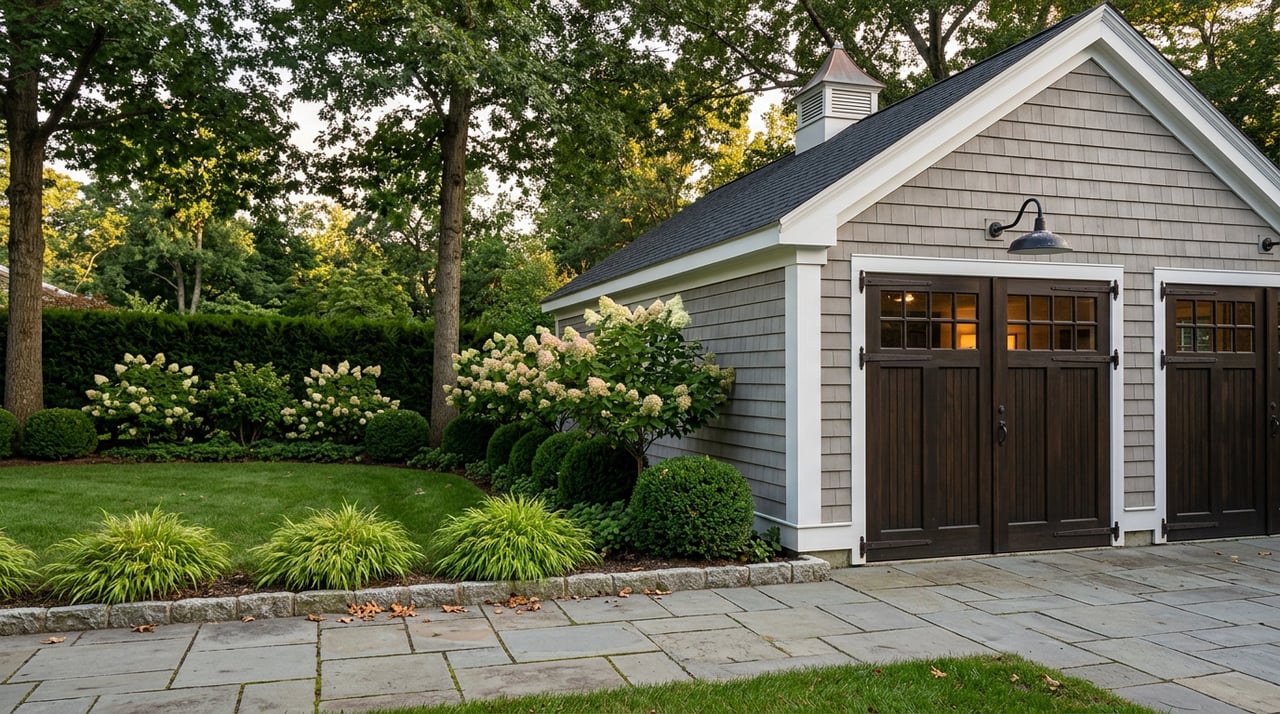
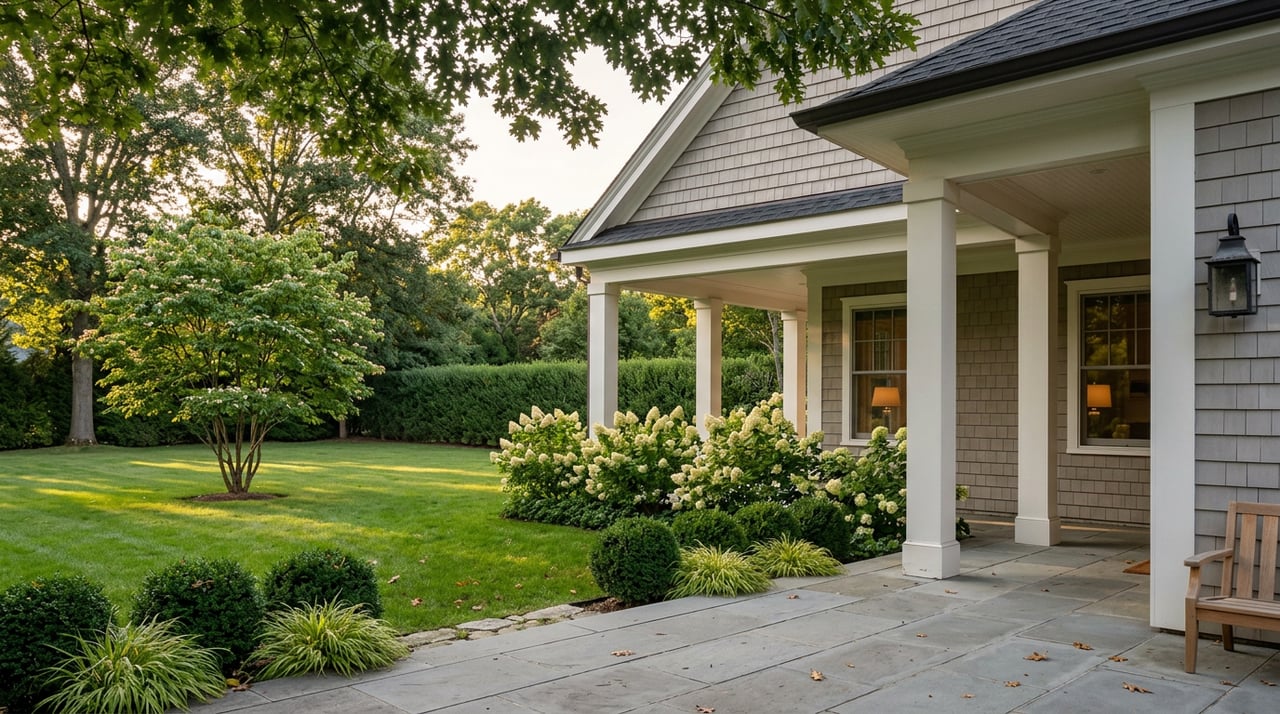
Huntington Harbor sits along Long Island’s North Shore, connected to Long Island Sound and adjacent to Huntington Village. You will find a mix of historic homes, mid-century colonials and ranches, waterfront estates, and a few condominium communities near commercial corridors. Lifestyle here varies by block. Some streets are quiet and residential, while others are close to restaurants, shops, and cultural venues like The Paramount.
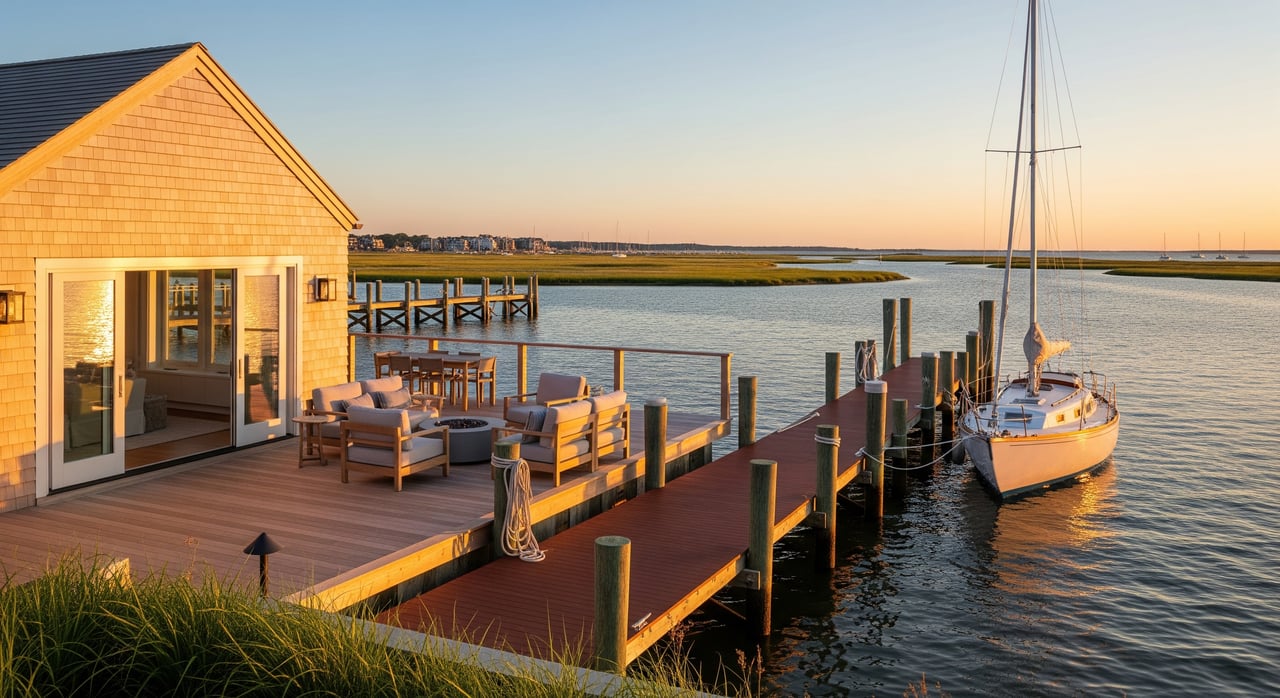
If you value access to water, you will feel it everywhere. Boating, sailing, kayaking, paddleboarding, fishing, and simple shoreline strolls are part of daily life. Salt marshes and estuarine habitat shape the shoreline and offer scenic views. They can also limit development in certain areas due to conservation buffers.
Daily life near the water
Walkable village energy
Living close to Huntington Village means many errands and outings can be done on foot or by bike. New York Avenue and Main Street host restaurants, cafes, boutiques, and nightlife that draw visitors from across the North Shore. Seasonal farmers markets and street festivals add to the rhythm of the year.
Parks and waterfront access
Small parks, public access points, and piers ring the harbor. They are popular for fishing, dog walks, and sunset views. A short drive takes you to larger open spaces, including nearby preserves and state parks. Caumsett State Historic Park Preserve on Lloyd Neck is a local favorite for trails, biking, and equestrian uses.
Marinas and boating services
You will find multiple marinas, yacht clubs, and boatyards serving seasonal slips, winter storage, maintenance, and lessons. Slip availability and pricing vary by operator and season. If dockage is important to you, confirm waitlists, contract terms, and whether any slip rights associated with a property can transfer.
Dining, culture, and events
Huntington Village is a regional dining hub, so you can expect a strong mix of cuisines, coffee spots, and dessert bars along with live music and community events. Summer weekends feel lively, especially when the weather is perfect for dining outside. Winter brings a cozier pace and holiday programming in the village.
Housing and costs: what to expect
Home types and price context
Harbor-proximate homes range from older village houses on smaller lots to substantial waterfront estates with docks or moorings. Waterfront typically carries a premium for views and access, and that premium is separate from size or finish. Inventory trends and seasonality influence pricing across the North Shore. Ask your agent for current neighborhood-level data when you get serious about a specific address.
Property taxes and recurring costs
Long Island property taxes are higher than national averages, and they make up a major portion of monthly carrying costs. Many homes near the harbor also bring added expenses. These can include flood insurance if the property is in a FEMA Special Flood Hazard Area, higher homeowners insurance due to coastal exposure, and upkeep for bulkheads, docks, and shoreline structures. Always review the tax history and check for any village taxes or special assessments before you commit.
Flood, storm, and insurance factors
Coastal properties are influenced by FEMA flood maps, local floodplain rules, and coastal storm surge risk. Before you buy, confirm the home’s current flood zone using the FEMA Flood Map Service Center. If available, ask for an elevation certificate to refine insurance quotes. Flood insurance costs vary by zone, elevation, and mitigation features. Compare National Flood Insurance Program options with private insurers to understand pricing and coverage.
Sewer, septic, and utilities
Sewer availability is not uniform near the harbor. Some village-adjacent blocks have sewer service, while homes in outlying or shoreline pockets may use septic systems or community sewers. If a property has septic, ask about age, capacity, and any upgrades, and schedule a full septic inspection. Clarify any easements, riparian rights, community dock agreements, and responsibility for shared bulkheads or shoreline structures.
Maintenance realities
Coastal living can require more frequent maintenance. Budget for periodic bulkhead or dock repairs, corrosion prevention for metals and HVAC equipment, and roofing or exterior work accelerated by salt air. If a private channel tends to shoal, future dredging assessments could apply. Factor these long-term items into your ownership plan.
Getting around and the commute
LIRR to Manhattan
Huntington Station on the Port Jefferson Branch provides commuter service to Manhattan. Travel times vary by schedule and transfers, so check the latest options on the MTA LIRR Huntington Station page. If rail access matters, consider your distance to the station, parking options, and off-peak schedules.
Roads and local transit
Major routes include Northern State Parkway, the Long Island Expressway, and Route 25A. Drive times to employment centers can swing with traffic, especially during rush hours and on summer weekends. Suffolk County and neighboring Nassau County operate regional bus services, and local taxi and ride-hail options are common for short trips.
Seasonal rhythms
Summer is peak boating and dining season, so expect more activity on weekends and evenings. Spring brings marina re-launching, while fall and winter are quieter on the water. Nor’easters and the occasional tropical system can deliver coastal flooding or shoreline erosion. If you are evaluating a property, ask about past storm performance and review town hazard maps.
Environmental and permitting basics
Water quality and stewardship
Like many North Shore harbors, Huntington Harbor has seen ongoing water-quality monitoring and improvement efforts focused on stormwater management, septic or sewer upgrades, and habitat initiatives. For updates on county-level environmental programs and public health information, start with the Suffolk County government.
Shoreline regulations and permits
Shoreline work usually requires approvals from multiple agencies. Plan for permits with the Town of Huntington and state-level review via the New York State Department of Environmental Conservation coastal permitting program. Some projects may also involve federal review for navigable waters. Build permitting timetables into your renovation or new construction calendar.
Buyer checklist for harbor-area homes
- Flood and elevation: Confirm the FEMA flood zone and search the address on the FEMA Flood Map Service Center. Request any elevation certificate and get preliminary flood insurance quotes.
- Sewer vs. septic: Verify service type and inspection history. If septic, schedule a full inspection and ask about recent upgrades or replacement timeline.
- Dockage and rights: Clarify riparian rights, private dock permits, and any marina contracts. Confirm whether slip rights are transferable and whether a waitlist applies.
- Shoreline structures: Order a structural inspection that includes bulkhead, pilings, shoreline, and foundation elements affected by salt air.
- Insurance and taxes: Get estimates for homeowners and flood insurance. Review property tax history and check for village taxes or special assessments.
- Walkability and seasonality: Visit at different times and seasons to gauge traffic, boat noise, nightlife, and parking. Test your commute to the train and key errands.
- Planning horizon: Ask the town about shoreline management plans, dredging proposals, or coastal resiliency projects that might affect future use or cost.
Is harbor living the right fit for you?
If you want water access, small-town charm, and a lively dining scene, living near Huntington Harbor can be a great match. You should also be comfortable with the tradeoffs, including higher taxes, the possibility of flood insurance, and added coastal maintenance. The right address will balance your lifestyle goals with your risk tolerance and budget.
When you are ready to explore, you will benefit from local guidance on flood zones, sewer maps, marina options, and permitting timelines. Partner with an experienced North Shore advisor who can connect the dots and keep your purchase on track.
Ready to tour homes near the harbor or discuss a sale? Connect with Batul Morbi for white-glove guidance backed by 30+ years of North Shore expertise and Compass marketing.
FAQs
How does the LIRR commute from Huntington Station work?
- The Port Jefferson Branch serves Huntington Station with schedules that vary by time of day and transfers; review current options on the MTA LIRR Huntington Station page.
What should I know about flood insurance near Huntington Harbor?
- Start by confirming the property’s FEMA flood zone and any elevation certificate, then compare estimates through the FEMA Flood Map Service Center and private carriers to understand coverage and price.
Can I keep a boat at the house or get a marina slip?
- It depends on riparian rights, permits, and marina policies; verify deeded dock rights, transfer rules, and waitlists, and confirm approvals with the Town of Huntington.
Are homes near the harbor on sewer or septic?
- Service varies by block; confirm sewer availability with the town and, if the home uses septic, arrange a full inspection and review maintenance history with your inspector.
Which school district will my home belong to in Huntington?
- District boundaries vary across the area; verify by address with local districts such as Huntington UFSD and Cold Spring Harbor CSD before you buy.