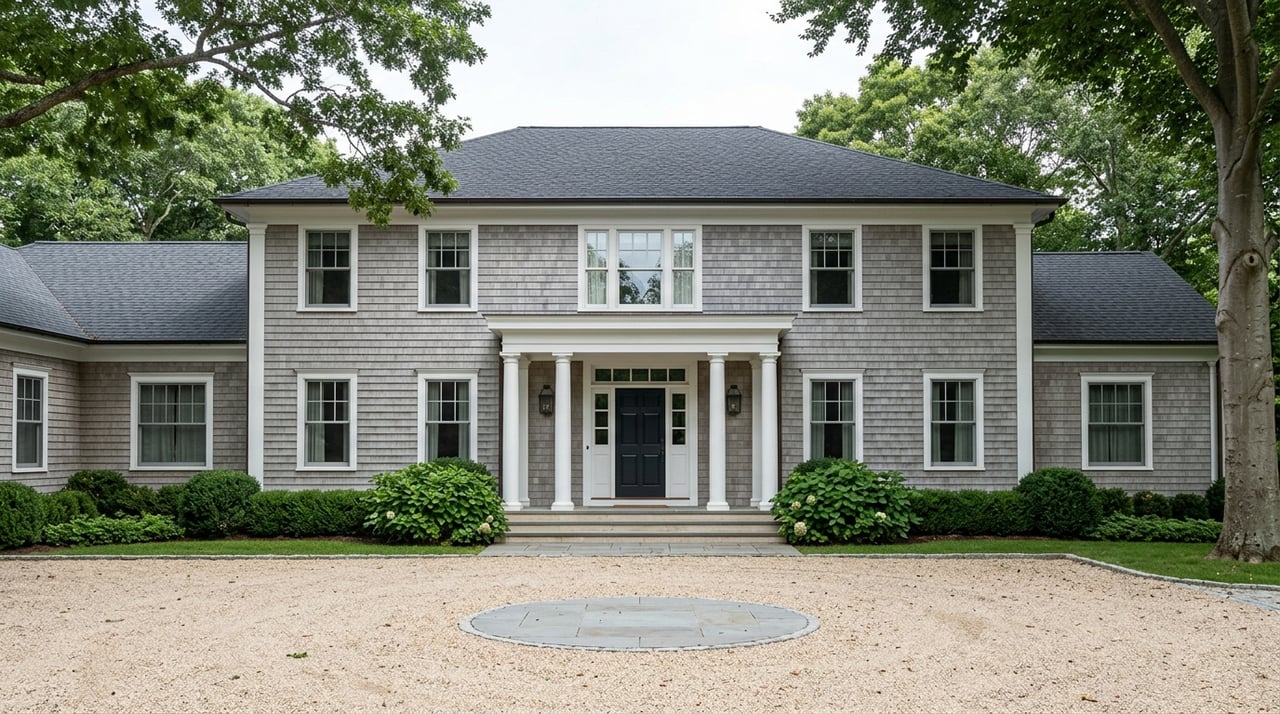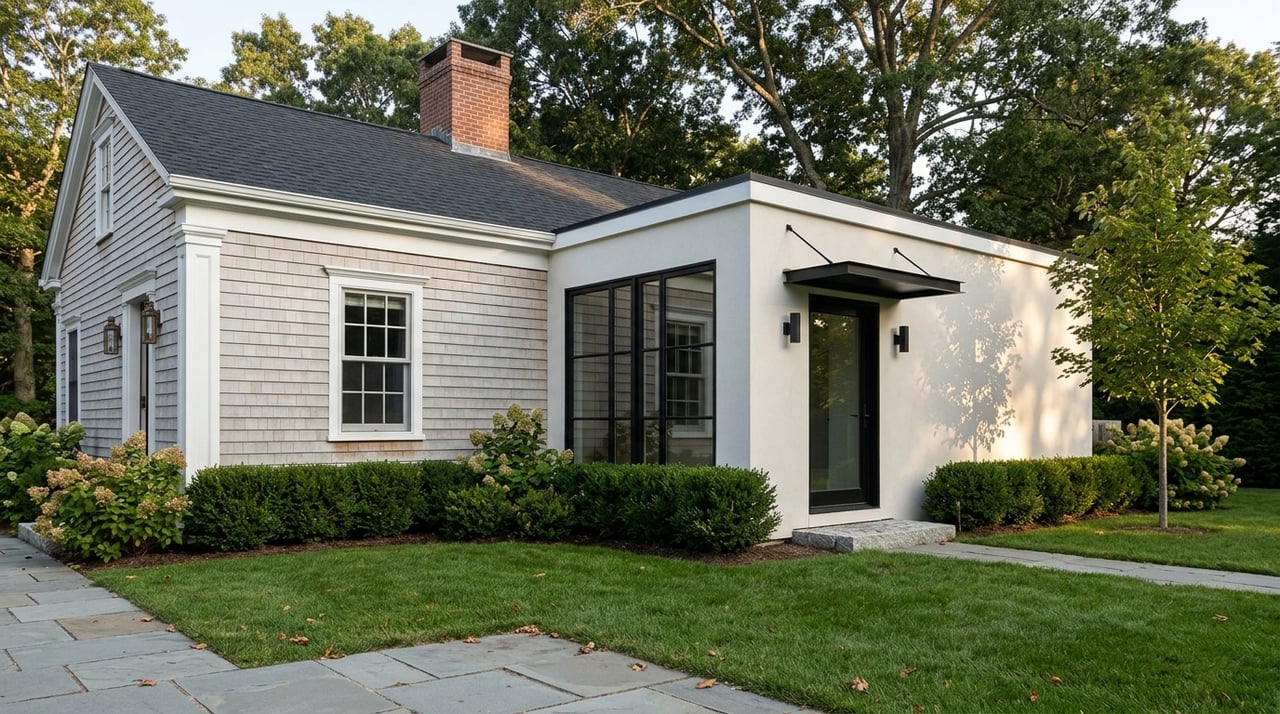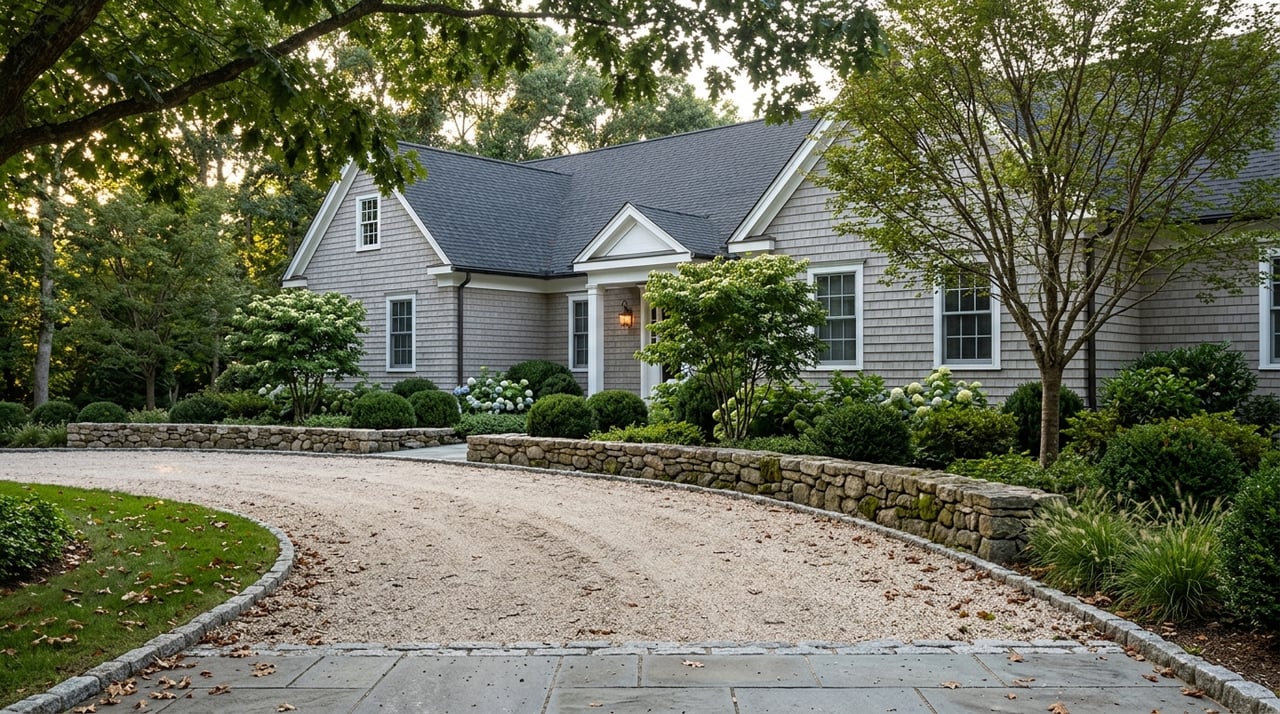
You spot the right home in Cold Spring Harbor and feel ready to move, only to hear there are three other offers on the table. It is stressful, and you do not want to overpay or lose momentum. You can compete with confidence when you understand what sellers value, how to structure your terms, and how to manage risk. This guide breaks down the exact steps, from financing prep to escalation and appraisal tactics, tailored to Cold Spring Harbor. Let’s dive in.
Cold Spring Harbor market reality
Inventory across the North Shore has been tight, and well-presented homes in Cold Spring Harbor often draw multiple offers. Regional trends reflect sustained demand with limited supply, which means sellers prioritize certainty and speed. Many select offers that reduce closing risk, such as strong conventional financing or cash.
Local features influence pricing and terms. School district boundaries, commute considerations, proximity to the harbor, and lot size can shape value and seller preferences. The more you tailor your offer to the home’s specific attributes and the seller’s timeline, the stronger your position.
For broader context, national data has also shown constrained supply in recent years. You can see these trends in the National Association of Realtors’ existing-home sales research, which provides useful signals about buyer competition and inventory conditions in national market reports.
Build a financing edge
Strong financing presentation can win even when your price is not the absolute highest. Aim to look like the safest, most prepared buyer.
- Get full pre-approval or pre-underwriting. A lender who has reviewed your income, assets, employment, and credit puts you ahead of buyers with only a quick pre-qualification. The Consumer Financial Protection Bureau explains the difference between pre-qualification and pre-approval in clear terms in its guide on pre-approval vs. pre-qualification.
- Include proof of funds. Provide a recent bank statement or a proof-of-funds letter for the down payment and reserves. Redact account numbers if you like, but show capacity.
- Share your lender’s contact. Let the listing agent verify your strength directly with your lender.
Price smart, not just high
Your goal is to pay what the home is worth to you while signaling certainty to the seller.
- Set a maximum willingness-to-pay. Use the most relevant comparable sales and your long-term goals to set a ceiling before emotions take over.
- Address appraisal risk early. If your price may exceed recent comparable sales, plan for how you will handle a low appraisal.
Use escalation clauses wisely
An escalation clause can help you edge out other offers without jumping far above your cap. The clause states you will beat any competing, bona fide offer by a set increment up to a maximum. Include:
- Starting offer price
- Increment amount (for example, $2,500)
- A clear verification method for the competing offer
- A firm cap
Have your attorney or an experienced local agent draft the clause to match local custom and avoid ambiguity.
Contingency strategy that wins
Contingencies protect you, but in a competitive setting, you can often tighten them without taking on unnecessary risk.
Financing contingency
If you are pre-underwritten, you may shorten the financing contingency period to make your offer more attractive. Coordinate timing with your lender and attorney before reducing any periods.
Inspection options
A full waiver carries risk. Safer, seller-friendly approaches include:
- Inspection for information only, where you will not cancel solely for defects but may request credits
- Shortened inspection periods, such as 5 to 7 days
- Limited scope inspections that focus on major safety or structural items
Appraisal contingency
Sellers prefer limited appraisal risk. Consider:
- Keeping the appraisal contingency, but adding a capped appraisal gap commitment
- Waiving the appraisal contingency only if you have strong cash reserves and lender alignment
Title and HOA review
Keep standard title review and make the timelines clear. For any HOA or condo components, request documents promptly so deadlines do not slip.
Non-price terms sellers value
These terms often make a meaningful difference in multiple-offer situations.
- Closing timeline. Offer flexibility that meets the seller’s needs, whether faster or with more time.
- Post-closing occupancy. A short rent-back can be a win if the seller needs time to move.
- Earnest money deposit. A higher deposit within local norms signals seriousness. Ensure your funds are protected by the contract’s contingencies.
- Fewer contingencies. Avoid avoidable contingencies such as the sale of your current home. If needed, consider bridge solutions or a rent-back to the seller.
- Closing professionals. Allowing the seller to choose a closing attorney or title company can be appealing if your attorney still conducts a thorough review to protect your interests.
Soft power and presentation
Presentation matters in Cold Spring Harbor. Submit a clean, complete offer package and communicate clearly.
- Include your pre-approval, proof of funds, proposed closing date, deposit amount, and a concise cover note summarizing your flexibility.
- Be careful with personal letters. Letters that share personal details can create fair housing concerns. Review current guidance and your broker’s policies, and consider alternatives that focus on the strength of your terms. You can review federal protections on the HUD Fair Housing and Equal Opportunity page.
- Work through relationships. A respected local buyer’s agent who collaborates well with Cold Spring Harbor listing agents can help align on terms that matter.
Mechanics: appraisal gaps and escalation details
A few technical tools can improve your odds when used correctly.
Appraisal gap coverage
If the appraisal comes in low, an appraisal gap clause states you will make up part of the difference in cash, up to a cap. This limits the seller’s risk and helps your financing hold together. Loan programs differ in appraisal rules. For example, VA loans have program-specific appraisal standards you can review through the VA’s overview of VA home loans and process. FHA has detailed property and appraisal guidance in its Single Family Housing Policy Handbook. Coordinate your clause with your lender to confirm down payment and reserve implications.
Escalation clause cautions
Sellers may prefer simple highest-and-best terms. Some will not share competing offer details for verification. Avoid vague language, and lean on your attorney to confirm enforceability under New York practice.
After acceptance: your 7-day game plan
Lock in momentum with a precise first-week checklist:
- Schedule inspections immediately and share timelines with your attorney and agent
- Alert your lender at once and upload documents to trigger appraisal ordering
- Begin attorney review, including title, disclosures, and any HOA or condo document requests
- Confirm the closing timeline, deposit deadlines, and any rent-back terms in writing
In New York, attorney review is a common step. Engage your attorney early and ensure all timelines are in writing. You can explore consumer resources at the New York State Bar Association and ask your counsel about typical local practices.
Cold Spring Harbor offer checklist
Use this quick reference to stay organized.
Before you tour
- Complete full pre-approval or pre-underwriting with your lender
- Assemble proof of funds and an updated bank letter
- Clarify your ideal closing window and any flexibility
- Connect with a local buyer’s agent who understands Cold Spring Harbor norms
When you submit
- Clean offer package: signed offer, pre-approval, proof of funds, proposed closing date, deposit details
- Decide on an escalation clause and set a clear cap
- Define your inspection approach: full, limited, or informational only
- Choose your appraisal plan: keep contingency, add a gap clause, or adjust price
After acceptance
- Order inspections and appraisal immediately
- Send all documents to your lender and attorney the same day
- Track deadlines for deposit, attorney review, title, and HOA document delivery
Work with a local advocate you can trust
Winning in Cold Spring Harbor takes more than a high price. It takes timing, clean terms, and guidance that anticipates seller concerns while protecting your interests. With 30-plus years on Long Island’s North Shore and a boutique, white-glove approach powered by Compass, Batul Morbi’s team brings calm, expert structure to competitive situations. We coordinate your financing presentation, craft strategic contingencies, and communicate with listing agents to position you as the safe, certain choice.
Ready to compete with confidence in Cold Spring Harbor? Connect with Batul Morbi for tailored guidance and a plan that fits your goals.
FAQs
How competitive are Cold Spring Harbor listings right now?
- Many well-priced homes still draw multiple offers due to tight inventory, so strong financing and clean terms often matter as much as price.
What is the safest way to shorten contingencies?
- Keep core protections, but tighten timelines: use pre-underwriting, a short inspection window, and a capped appraisal gap to reduce seller risk without overexposing yourself.
Should I use an escalation clause in my offer?
- It can help you outpace other offers without exceeding your cap, but it must be clearly drafted and verifiable; consult your attorney for New York-specific language.
What happens if the appraisal comes in low?
- If you included an appraisal gap clause, you can cover the shortfall up to your cap; otherwise you may renegotiate or cancel if your appraisal contingency allows it.
Are personal buyer letters recommended to win a bid?
- Some sellers respond to them, but they raise fair housing concerns and are discouraged by many brokers; focus on clean terms and your financing strength instead.
Do FHA or VA loans change my strategy?
- These loans have specific appraisal and property condition standards; coordinate closely with your lender before waiving or limiting appraisal or inspection protections.
Is attorney review standard in New York purchases?
- Yes, buyers and sellers commonly involve attorneys early; expect a short review period after offer acceptance to finalize terms and timelines.